Health notes from our doctors
Short, practical reading for patients and families.
Knee pain: when should you see an orthopedic doctor?
Dr. Sushrut Pulgaonkar / 3 min read
Most knee pain settles with rest and simple care. Some signs mean it is time to get it checked.
Read the article
Knee pain is one of the most common reasons people visit an orthopedic clinic. It can come from a sports twist, a fall, years of wear on the joint, or extra body weight. A lot of it improves in a few days with rest, ice and gentle movement.
See a doctor soon if:
- You cannot put weight on the leg
- The knee swelled up quickly after an injury
- It locks, catches, or gives way when you walk
- The pain has lasted more than two or three weeks
- Your legs are becoming more bowed or knock-kneed
Seek urgent care the same day if the knee is red, hot and swollen and you have a fever, or if you cannot move it or stand on it after an injury.
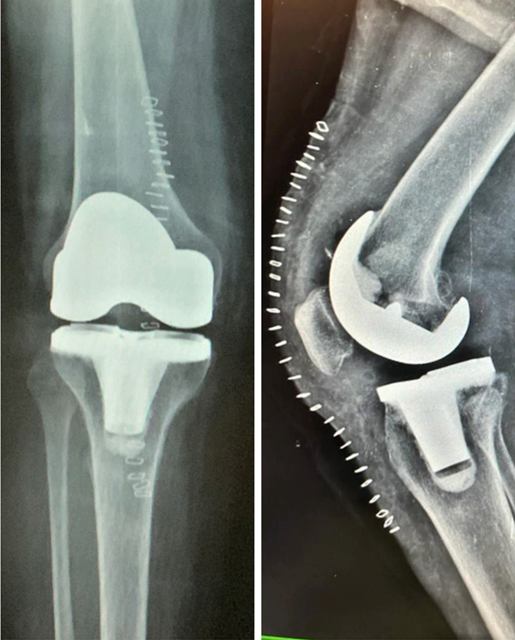
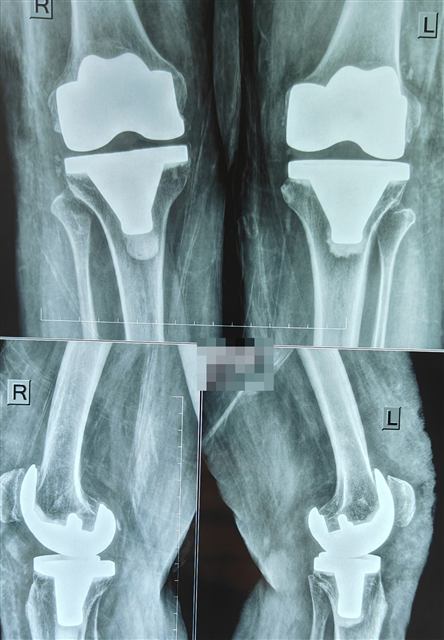
At a consultation, the knee is examined, an X-ray is taken if needed, and the findings are explained to you. Many problems are treated with medicines, physiotherapy and changes in daily activity. When the joint is badly worn or a ligament is torn, options such as arthroscopy, ACL reconstruction, alignment correction or knee replacement are discussed with you openly.
Early advice can often mean simpler treatment, so do not wait months with a knee that keeps hurting.
Back pain at work: what helps, and when to get it checked
Dr. Sushrut Pulgaonkar / 3 min read
Long hours at a desk or on two-wheelers take a toll on the back. Small daily changes make a real difference.
Read the article
Most back pain comes from strained muscles and stiff joints, not from anything serious. Long sitting, poor posture, lifting the wrong way and little exercise are the usual causes.
What helps:
- Get up and move for a few minutes every half hour
- Keep your screen at eye level and your feet flat on the floor
- Lift with your knees bent and the load close to your body
- Stay active. Walking is better than bed rest for most back pain
- Build core strength with exercises a physiotherapist shows you
Go to a hospital emergency department straight away if back pain comes with numbness around the groin or buttocks, new trouble passing urine or stools, or weakness in the legs. See a doctor promptly if back pain comes with fever or unexplained weight loss, or follows a fall or accident.
Also see a doctor if ordinary back pain has not eased after a few weeks, or keeps coming back. A consultation looks for the cause and plans treatment to help you get back to work comfortably.
Diabetes and blood pressure: the regular checks that matter
Dr. Rajendra Pulgaonkar / 3 min read
Both conditions are often silent for years. Regular checks catch problems while they are easy to manage.
Read the article
Diabetes and high blood pressure often go together, and both can quietly affect the heart, kidneys, eyes and nerves. Many people feel completely well until a complication appears. That is why regular checkups matter more than how you feel on a given day.
Checks your doctor may advise:
- Blood pressure at every visit
- Blood sugar, and HbA1c every few months to see the long-term picture
- Kidney tests on blood and urine
- Cholesterol levels
- An ECG to check the heart
- Yearly eye and foot examinations
Seek emergency care straight away for chest pain, sudden breathlessness, weakness or numbness on one side of the body, slurred speech, confusion, or very high or very low sugar with drowsiness.
Take your medicines as prescribed, even when the numbers look good. Do not stop or change them without speaking to your doctor.
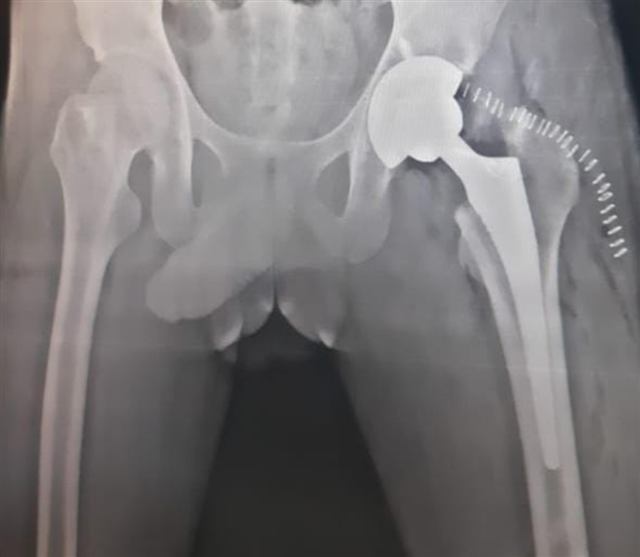
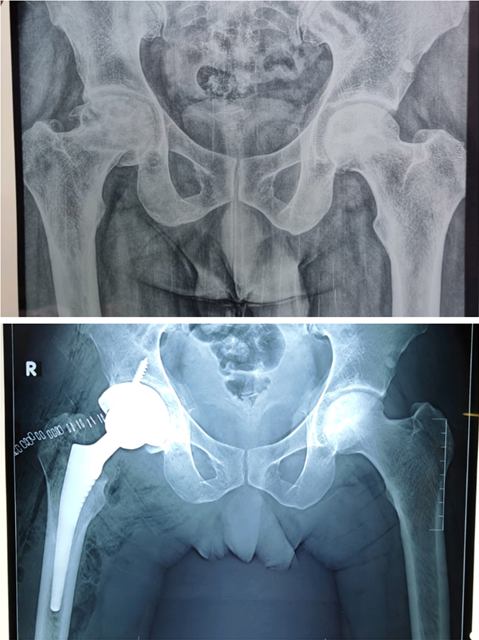
If you are planning any surgery, such as a knee or hip replacement, good sugar and blood pressure control lowers the risks. A preoperative fitness check helps confirm that you are ready.